 Medically reviewed by Dr. Y. Shira Kresch, OD MSLast reviewed: May 26, 2026
Medically reviewed by Dr. Y. Shira Kresch, OD MSLast reviewed: May 26, 2026
Dry eye disease is not one problem — it is a cascade of related dysfunctions in the tear film, eyelid glands, ocular surface, and surrounding tissue. Different treatments address different parts of that cascade. LLLT is the part that works on the cellular level.
What Is Low-Level Light Therapy?
LLLT (also known as photobiomodulation or PBM) uses precise wavelengths of red and near-infrared light to stimulate biological activity in living tissue. The light is absorbed by mitochondria within cells, where it increases the production of ATP — the molecule cells use for energy. The result is improved cellular function, reduced inflammation, increased local blood flow, and accelerated tissue repair.
When applied to the eyelids and surrounding skin, LLLT supports the Meibomian glands at a cellular level — helping them recover function and produce healthier oil. It is used widely in dermatology, dentistry, and physical therapy, and adapted for ophthalmic use specifically to treat Meibomian Gland Dysfunction and chronic dry eye.
What Dry Eye Conditions Does LLLT Help With?
LLLT is most effective for:
- Meibomian Gland Dysfunction (MGD) — particularly when combined with IPL or RF
- Inflammatory dry eye with persistent surface irritation
- Post-treatment recovery and maintenance
- Dry eye in patients who cannot tolerate IPL (rare but does occur)
- Mild-to-moderate evaporative dry eye in patients seeking a gentler treatment option
LLLT is typically used alongside other in-office treatments rather than as a standalone therapy. The combination of LLLT with IPL or RF consistently produces better outcomes than any one treatment alone, because each modality addresses a different aspect of the disease.
How LLLT Treatment Works at 1-800-Dry-Eyes
An LLLT session at our Southfield clinic is one of the most comfortable in-office treatments we offer. Here is what to expect:
- Eye protection. Protective eyewear is placed before the device is activated.
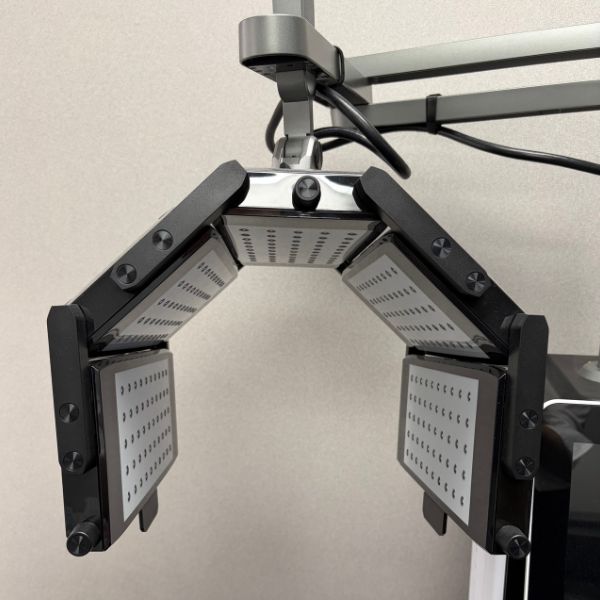
- Mask application. A specially designed LED mask or panel is positioned over the eyes and upper face. The light is gentle — no heat, no sensation beyond a soft warmth.
- Treatment time. A typical session lasts approximately 15 minutes. You relax in a reclining chair while the device delivers the precise wavelengths needed.
- Post-treatment. No recovery time, no skincare restrictions. You return to normal activities immediately.
How LLLT Works at a Cellular Level
The science behind LLLT comes from photobiomodulation research developed for tissue repair and inflammation control. When red and near-infrared light at specific wavelengths reaches the Meibomian glands and surrounding tissue, three things happen:
- Mitochondrial activation. Light energy is absorbed by cytochrome c oxidase in the mitochondria, increasing ATP production and cellular energy.
- Local circulation increase. Vasodilation around the treated tissue improves nutrient delivery and waste removal.
- Inflammatory modulation. Inflammatory cytokines are reduced, helping calm the chronic low-grade inflammation that drives MGD.
None of this happens with eye drops. None of it happens with home warm compresses. LLLT addresses the disease at the level where the dysfunction actually begins.
How Many Treatments Will I Need?
LLLT protocols vary based on individual case severity and whether it is being used as primary treatment or as an adjunct to IPL/RF. A typical protocol includes 4–6 sessions over several weeks, with maintenance treatments every few months to sustain results. Many patients notice subjective improvement within the first few sessions.
Is LLLT Safe?
LLLT has an exceptional safety profile. The wavelengths used are non-ionizing and non-thermal at therapeutic doses — they do not burn or damage tissue. Side effects are rare and mild, typically limited to a brief sensation of warmth during treatment.
The procedure is suitable for adults and children, requires no anesthesia, has no downtime, and can be safely combined with other dry eye treatments including IPL, RF, prescription eye drops, and at-home therapy.
Related Resources
LLLT is most effective when combined with other modalities. See our Combined Dry Eye Treatment Protocol page for an overview of how LLLT integrates with IPL and RF. If your dry eye is primarily evaporative — the most common type — our Evaporative Dry Eye page explains the underlying disease that LLLT helps address.
Frequently Asked Questions About LLLT
Does LLLT hurt?
No. LLLT is painless. You may feel a soft, gentle warmth, but there is no significant heat or discomfort.
How is LLLT different from IPL?
IPL uses bright, broad-spectrum light pulses to target inflammatory blood vessels and Demodex mites. LLLT uses much gentler, specific wavelengths to stimulate cellular healing within the glands. They address different parts of the disease and are often combined.
Can LLLT be combined with other treatments?
How quickly will I notice results?
Many patients notice improvement after their first few sessions. Cumulative benefit builds through the treatment series, and effects continue developing for weeks after the final session as cellular recovery progresses.
Is LLLT safe for sensitive eyes or skin?
Yes. LLLT is one of the gentlest in-office treatments available. It is safe for sensitive skin, does not require anesthesia, and has essentially no contraindications for most patients.
Does insurance cover LLLT for dry eye?
LLLT for dry eye is considered elective and is not typically covered by insurance. We discuss cost transparently and provide receipts you can submit to your insurer.
Are there any side effects?
Side effects are rare and mild. Some patients experience brief warmth or mild skin pinkness in the treated area, which resolves quickly. Serious adverse effects are essentially unheard of with LLLT used at therapeutic doses.
How long do results last?
Results vary based on individual case severity and whether LLLT is part of a combination protocol. Maintenance sessions every few months help sustain long-term benefit, since MGD is a chronic condition that requires ongoing management.