 Medically reviewed by Dr. Y. Shira Kresch, OD MSLast reviewed: May 26, 2026
Medically reviewed by Dr. Y. Shira Kresch, OD MSLast reviewed: May 26, 2026
If artificial tears, warm compresses, and prescription drops have stopped working — or never really worked — the issue is not the surface of your eye. It is the glands inside your eyelids that have stopped producing the oil that keeps tears from evaporating. Radiofrequency therapy is designed to fix that, by reaching the therapeutic temperature needed to actually clear gland blockages.
What Is Radiofrequency Therapy for Dry Eye?
Radiofrequency therapy uses controlled, low-energy electromagnetic waves to generate heat within tissue. When applied to the skin and eyelid margins, RF heats the underlying Meibomian glands to a temperature that liquefies the hardened, waxy oils trapped inside.
Unlike a warm compress applied at home — which loses heat too quickly to penetrate effectively — RF delivers consistent, controlled heat directly to the gland tissue. The result is more thorough oil release and longer-lasting symptom relief.
RF also stimulates collagen production in the surrounding skin, which has secondary benefits for the appearance of the eyelid and periocular area, but the primary purpose at our clinic is medical: restoring Meibomian gland function.
What Dry Eye Conditions Does RF Treat?
RF is most effective for dry eye disease driven by:
- Meibomian Gland Dysfunction (MGD) — the leading cause of chronic, evaporative dry eye
- Lipid-deficient tear film instability
- Hardened meibum that does not respond to home warm compresses
- Ocular rosacea-related MGD (often combined with IPL)
- Post-surgical dry eye with persistent gland dysfunction
RF is not appropriate for every patient — purely aqueous-deficient dry eye, severe Sjögren, or already-atrophied glands respond better to other approaches. That is why we begin every treatment with a comprehensive dry eye evaluation rather than recommending a single therapy by default.
How RF Treatment Works at 1-800-Dry-Eyes
Each RF session at our Southfield clinic follows the same structured protocol:
- Skin prep. A thin layer of ultrasound gel is applied to the skin around the eyes to ensure even energy transfer.
- Eye protection. Protective shields are placed over your eyes throughout the treatment.
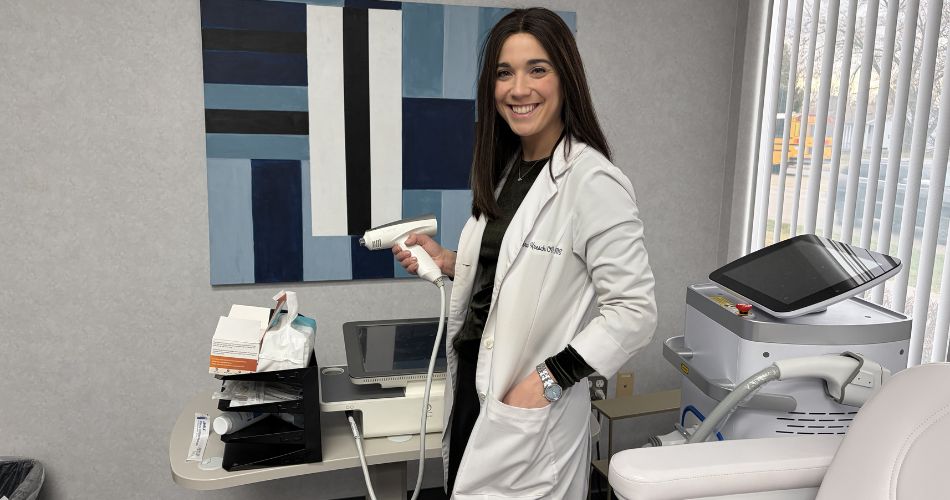
- Controlled application. Dr. Kresch glides the RF handpiece over the skin around the eyes, the upper and lower eyelids, and the cheekbone area, monitoring tissue temperature continuously. The sensation is a warm, soothing massage — most patients find it relaxing.
- Manual gland expression. After the tissue has reached therapeutic temperature, Dr. Kresch performs in-office Meibomian gland expression to physically clear the now-liquefied blockages.
- Post-treatment care. A gentle, hydrating skin product is applied to the periocular area. There is no downtime — you can return to normal activities immediately.
A typical RF session lasts 20–30 minutes.
How Many Treatments Will I Need?
Chronic Meibomian Gland Dysfunction does not resolve in a single session. The standard initial protocol is a series of 3–4 RF treatments spaced 2–4 weeks apart, with most patients noticing meaningful improvement after the first or second session and cumulative results building through the series.
After the initial series, maintenance treatments every 6–12 months help preserve long-term results — because MGD is a chronic, progressive condition that requires ongoing management to keep gland function stable.
RF, IPL, and LLLT: What is the Difference?
Patients often ask how RF compares to other in-office dry eye treatments. The short answer is that they address different aspects of the same underlying disease:
- IPL (Intense Pulsed Light) targets inflammatory blood vessels and Demodex mites, and is particularly effective for rosacea-driven dry eye.
- RF (Radiofrequency) heats and clears the physical gland blockages — the mechanical side of the disease.
- LLLT (Low-Level Light Therapy) stimulates cellular healing and reduces inflammation at the cellular level.
For many patients with moderate-to-severe MGD, the most effective approach combines two or three of these modalities — which is why a proper evaluation matters before treatment begins.
Is RF Safe?
RF therapy has an established safety profile in both dermatology and ophthalmology. The energy is delivered at temperatures designed to therapeutically warm tissue without damaging it, and protective shields keep the eye itself completely safe throughout the procedure. There is no downtime, no anesthesia required, and no recovery period.
The most common side effect is mild, temporary skin warmth or pinkness in the treated area, which typically resolves within an hour or two. Serious side effects are rare.
Related Resources
Radiofrequency works best as part of a coordinated approach. See our Combined Dry Eye Treatment Protocol page for an overview of how RF integrates with IPL and LLLT for moderate-to-severe disease. If your dry eye is primarily evaporative — the most common type — our Evaporative Dry Eye page explains why RF and related treatments address the root cause that eye drops cannot.
Frequently Asked Questions About RF
Does RF treatment hurt?
No. Most patients describe RF as feeling like a warm, soothing massage around the eyes. There is no significant discomfort during the procedure.
How long until I notice results?
Many patients notice symptom improvement within days of their first session. The full benefit develops over the course of the treatment series as gland function progressively improves.
Is there any downtime after RF treatment?
No downtime. You can return to normal activities — including driving, working, and wearing makeup — immediately after your session.
How is RF different from a warm compress at home?
Warm compresses lose heat too quickly to reach therapeutic temperatures inside the Meibomian glands. RF delivers consistent, controlled heat directly to the gland tissue at a temperature high enough to actually melt the hardened oil blockages. Compresses are useful for maintenance; RF is for clearing the underlying obstruction.
Does insurance cover RF for dry eye?
RF for dry eye is considered an elective procedure and is generally not covered by insurance. We discuss pricing transparently before treatment begins and provide receipts you can submit for potential reimbursement.
Can I wear makeup or contacts after RF?
You can resume contact lens wear and makeup the same day. We recommend avoiding heavy eye makeup on the day of your session.
Will I notice changes to my skin too?
Possibly. The collagen-stimulating effect of RF can subtly improve the appearance of fine lines around the eyes. This is a secondary benefit — the primary purpose of the treatment is medical.
How long do the results last?
Most patients maintain symptom relief for 6–12 months after the initial treatment series, with maintenance sessions extending results indefinitely. Because MGD is a chronic, progressive condition, ongoing maintenance is the norm.