Dry Eyes Years After LASIK? Here’s Why
I Had LASIK Years Ago — Why Are My Eyes Still Dry? You were told the dryness would be temporary. A few weeks, maybe a
Finally Get Lasting Relief from Burning, Itching, and Blurry Vision — Without Relying on Eye Drops
The 1-800-Dry-Eyes Vision Institute uses advanced, FDA-cleared technology — including Intense Pulsed Light (IPL), Radiofrequency (RF), and Low-Level Light Therapy (LLLT) — to treat the root cause of dry eye disease, not just mask the symptoms. Located in Southfield, MI and serving patients across Metro Detroit, our dedicated dry eye clinic provides comprehensive diagnosis and customized treatment plans under the care of Dr. Shira Kresch.
Dry eye disease (also called dry eye syndrome or keratoconjunctivitis sicca) is a chronic condition where your eyes either don’t produce enough tears or produce tears that evaporate too quickly. The result? Persistent burning, stinging, redness, light sensitivity, and blurry vision that interfere with your daily life.
Most cases of dry eye — up to 86% — involve Meibomian Gland Dysfunction (MGD), a condition where the tiny oil-producing glands in your eyelids become blocked or damaged. Without a healthy oil layer, your tear film breaks down in seconds, leaving the surface of your eye exposed and irritated.
If you’ve been using artificial tears multiple times a day with only temporary relief, it’s time to find out what’s actually causing your symptoms. A comprehensive dry eye evaluation at our Southfield clinic can identify the root cause and put you on the path to lasting comfort.

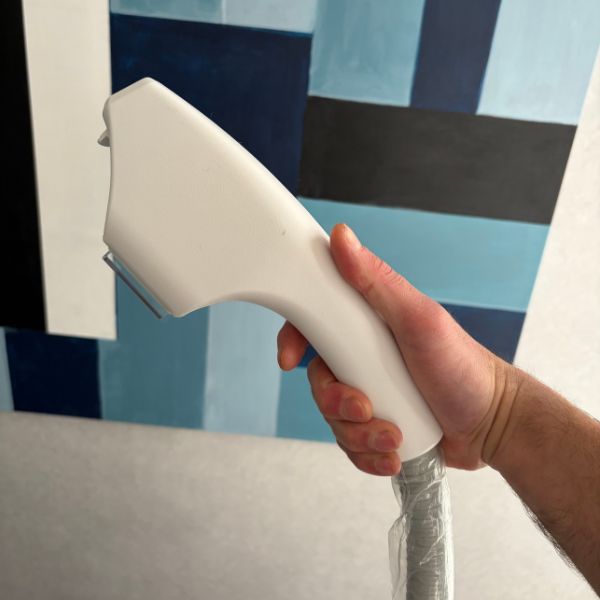
IPL therapy is a breakthrough, light-based treatment for evaporative dry eye and Meibomian Gland Dysfunction. Using precise, calibrated pulses of light applied to the skin around the eyes, IPL reduces inflammation, eliminates abnormal blood vessels feeding the disease cycle, and destroys Demodex mites that contribute to blepharitis. Patients typically undergo a series of 3–4 sessions spaced several weeks apart, with many noticing significant improvement after the very first treatment. IPL also offers cosmetic benefits — reducing redness, improving skin texture, and treating ocular rosacea — making it a dual-purpose therapy that patients love.
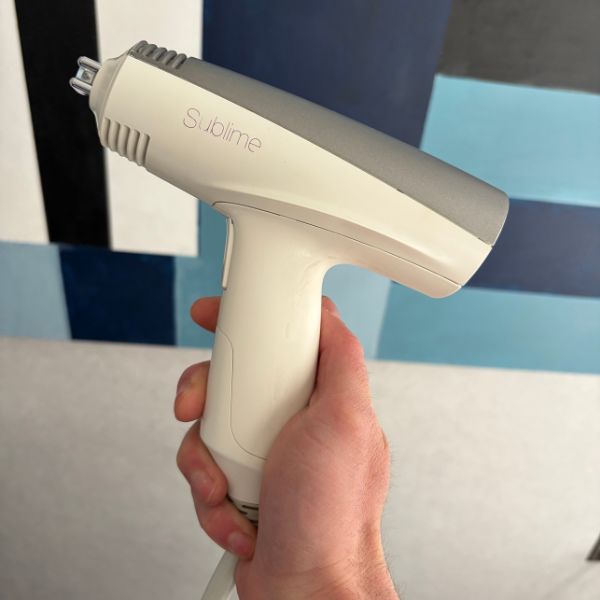
Radiofrequency treatment delivers gentle, controlled heat deep into the eyelid tissue to melt waxy blockages in the Meibomian glands. Unlike warm compresses that barely reach therapeutic temperatures, RF technology maintains a precise, consistent heat that effectively liquefies hardened meibum and restores natural oil flow to your tear film. The treatment is comfortable — most patients describe it as a warm, spa-like experience — and requires zero downtime. RF also stimulates collagen production in the periorbital skin, tightening and rejuvenating the delicate area around the eyes. It’s a medical treatment with real aesthetic benefits.

LLLT (also known as photobiomodulation) uses specific wavelengths of light to stimulate cellular energy production in the Meibomian glands. This gentle, non-invasive therapy increases blood flow, reduces inflammation at the cellular level, and supports the glands’ natural ability to produce healthy oils. LLLT is often used in combination with IPL and RF as part of our multi-modal treatment approach — attacking dry eye from every angle for maximum results.
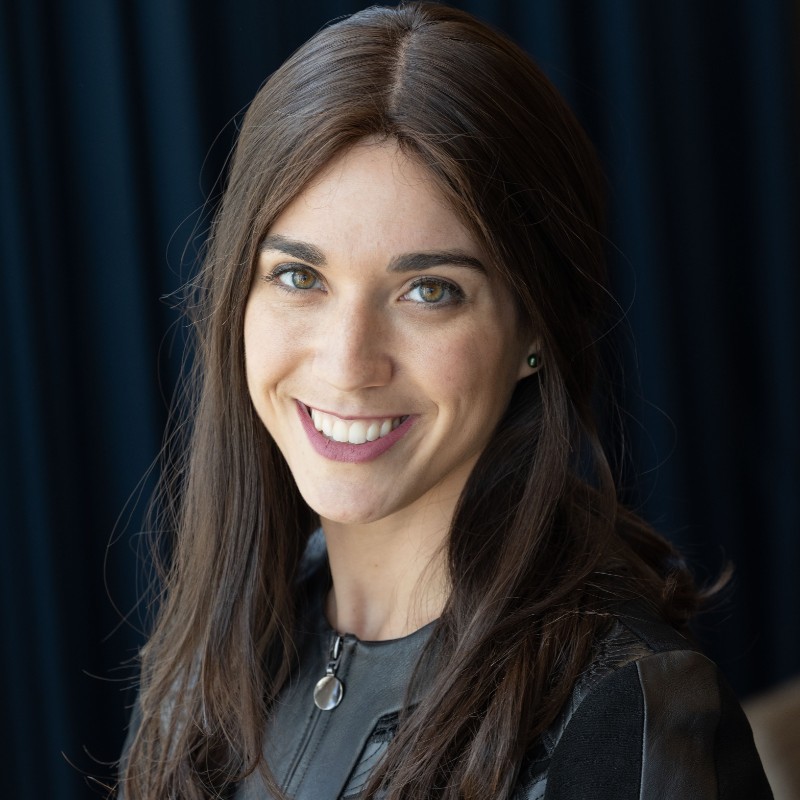
Dr. Shira Kresch is a leading dry eye and specialty contact lens practitioner serving patients across Metro Detroit. With advanced training in ocular surface disease, scleral lens fitting, and in-office dry eye procedures, Dr. Kresch takes a thorough, root-cause approach to every case — combining detailed diagnostics with the latest treatment technology to deliver real, measurable improvement.
As the clinical lead at both the 1-800-Dry-Eyes Therapy Center and Michigan Contact Lens, Dr. Kresch has treated hundreds of patients with chronic dry eye, keratoconus, post-surgical complications, and complex contact lens needs. Her patients consistently praise her thoroughness, patience, and ability to succeed where other doctors have fallen short.
For patients with severe or treatment-resistant dry eye, scleral contact lenses offer an additional layer of relief that no eye drop or in-office treatment can replicate. These large-diameter, custom-designed lenses vault over the entire corneal surface and rest on the white of the eye (the sclera), creating a fluid-filled reservoir that keeps the cornea constantly bathed in preservative-free saline throughout the day.
Scleral lenses are especially effective for dry eye caused by Sjögren’s syndrome, graft-versus-host disease (GVHD), Stevens-Johnson syndrome, and post-LASIK complications. As a division of Michigan Contact Lens — one of Michigan’s leading scleral lens practices — we’re uniquely positioned to combine in-office dry eye treatments with specialty lens fittings for a comprehensive approach.
Step 1: Comprehensive Dry Eye Evaluation Your journey begins with a thorough diagnostic assessment that goes far beyond a standard eye exam. We use advanced imaging and testing — including Meibography, tear breakup time analysis, and osmolarity testing — to identify the exact type and severity of your dry eye disease. → /dry-eye-evaluation/
Step 2: Personalized Treatment Plan Based on your diagnostic results, Dr. Kresch will design a custom treatment protocol tailored to your specific condition. This may include a combination of IPL, RF, LLLT, at-home therapies, nutritional guidance, and lid hygiene — all explained clearly so you understand exactly what we’re treating and why.
Step 3: In-Office Treatment Sessions Most patients undergo a series of 3–4 treatment sessions spaced 2–4 weeks apart. Each session takes approximately 15–30 minutes with no downtime, meaning you can return to your normal routine immediately.
Step 4: Long-Term Maintenance & Education Dry eye is a chronic condition, but it’s manageable. We equip you with a personalized at-home maintenance plan and schedule follow-up visits to monitor your progress and adjust your treatment as needed. Our goal is to keep you comfortable for the long term. → /dry-eye-maintenance/
Our clinic treats the full spectrum of dry eye disease and related ocular surface conditions:
Meibomian Gland Dysfunction (MGD) — The #1 cause of dry eye — blocked oil glands in the eyelids that starve your tear film of its protective lipid layer. → /meibomian-gland-dysfunction/
Evaporative Dry Eye — Rapid tear evaporation caused by MGD, environmental factors, or incomplete blinking. → /evaporative-dry-eye/
Aqueous Deficient Dry Eye — Insufficient tear production, often linked to autoimmune conditions or aging. → /aqueous-deficient-dry-eye/
Demodex Blepharitis — Microscopic mites that infest eyelash follicles, causing chronic inflammation, irritation, and crusty lids. → /demodex-blepharitis-treatment/
Ocular Rosacea — An inflammatory condition that affects both the skin and the eyes, causing persistent redness, burning, and MGD. → /ocular-rosacea-and-dry-eye/
Dry Eye After LASIK — Post-surgical dry eye caused by corneal nerve disruption during refractive procedures. → /dry-eye-after-lasik/
Contact Lens-Related Dry Eye — Discomfort, dryness, and reduced wearing time caused by contact lens use — and how to fix it. → /contact-lenses-and-dry-eye/
Sjögren’s Syndrome & Autoimmune Dry Eye — Systemic autoimmune conditions that attack the tear-producing glands. → /autoimmune-dry-eye/
I Had LASIK Years Ago — Why Are My Eyes Still Dry? You were told the dryness would be temporary. A few weeks, maybe a
Those Crusty Flakes Might Be Demodex Mites You’ve noticed it in the mirror. A waxy, flaky buildup clinging to the base of your eyelashes. Maybe
Why Your Eye Drops Aren’t Working — And What to Do Instead You’ve tried them all. The $4 bottle from the drugstore. The $18 preservative-free
Q: What does dry eye treatment cost?
The cost of dry eye treatment varies depending on the type and severity of your condition. IPL, RF, and LLLT treatments are typically not covered by insurance as they are considered elective procedures. We offer transparent pricing and flexible financing options to make treatment accessible. Contact us or visit our financing page for details. → /financing/
Q: How many treatment sessions will I need?
Most patients require 3–4 initial treatment sessions spaced 2–4 weeks apart, followed by periodic maintenance treatments (typically every 6–12 months). Dr. Kresch will outline your specific treatment plan during your initial evaluation.
Q: Does IPL treatment hurt?
Most patients describe IPL as a warm, mild snapping sensation — similar to a rubber band lightly tapping the skin. The treatment is very well tolerated and takes only 10–15 minutes. No anesthesia is required.
Q: Can I wear contact lenses if I have dry eye?
Yes — but the type of lens matters. Many dry eye patients struggle with standard soft contact lenses but do exceptionally well with scleral lenses, which actually help protect and hydrate the eye throughout the day. As a specialty contact lens practice, we can fit you with the right lens for your condition. → /scleral-lenses-for-dry-eye/
Q: What’s the difference between IPL, RF, and LLLT?
IPL uses light energy to reduce inflammation and kill Demodex mites. RF uses heat to melt Meibomian gland blockages and stimulate collagen. LLLT uses specific light wavelengths to boost cellular energy and promote gland health. Each targets a different aspect of dry eye disease, which is why we often combine all three for maximum results. → /dry-eye-treatments/
Q: Do you accept insurance for dry eye treatment?
The diagnostic evaluation portion of your visit may be covered by medical insurance. The in-office treatments (IPL, RF, LLLT) are typically considered elective and are not covered. We provide detailed receipts that you can submit to your insurer for potential reimbursement, and we offer financing options. → /insurance-and-financing/
Q: How long do results last?
Most patients experience significant relief lasting 6–12 months after their initial treatment series. Maintenance sessions once or twice a year help sustain results. Ongoing at-home care (lid hygiene, warm compresses, omega-3 supplementation) also plays a key role in long-term comfort.
Q: I’ve tried everything and nothing works. Can you still help?
Absolutely. We specialize in cases where standard treatments have failed. If you’ve been through rounds of eye drops, warm compresses, and even punctal plugs without lasting relief, our advanced triple-modality approach combined with specialty lens options can often succeed where others have not. Schedule a consultation — we’ll take a fresh look. → /appointment/
17000 W 10 Mile Road (150), Southfield, MI 48075
Phone: 1-800-DRY-EYES (1-800-379-3937)
Serving patients from: Southfield, Birmingham, Royal Oak, Troy, Farmington Hills, West Bloomfield, Bloomfield Hills, Oak Park, Berkley, Novi, Livonia, Detroit, and surrounding Metro Detroit communities.