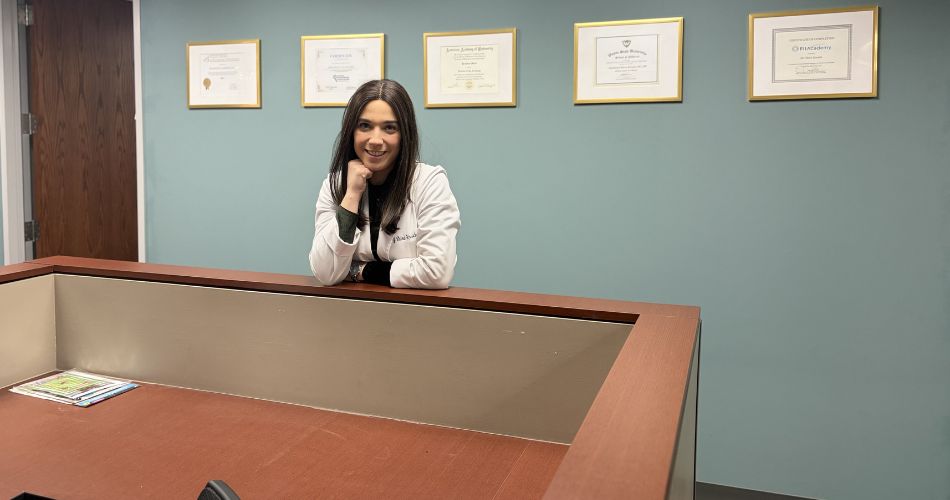
 Medically reviewed by Dr. Y. Shira Kresch, OD MSLast reviewed: May 26, 2026
Medically reviewed by Dr. Y. Shira Kresch, OD MSLast reviewed: May 26, 2026
If you’re not sure whether your symptoms warrant an evaluation, our guide to dry eye symptoms covers the full symptom picture and what each symptom typically means. You may also find our symptom self-assessment quiz helpful for identifying which underlying pattern most closely matches your case.
Most patients arrive at our practice having already been told they have “dry eye” — but with no clear explanation of what is causing it or what to do about it. That label, by itself, is barely useful. Dry eye disease has many different underlying causes, and effective treatment depends entirely on identifying which mechanism is driving your specific case.
This page explains what a thorough dry eye evaluation involves, what diagnostic technologies we use, and how the results shape your treatment plan.
Why a Routine Eye Exam is Not a Dry Eye Evaluation
A routine vision exam checks your prescription, screens for major eye diseases like glaucoma and macular degeneration, and confirms that your eyes are generally healthy. It is not designed to identify the root cause of chronic dry eye symptoms.
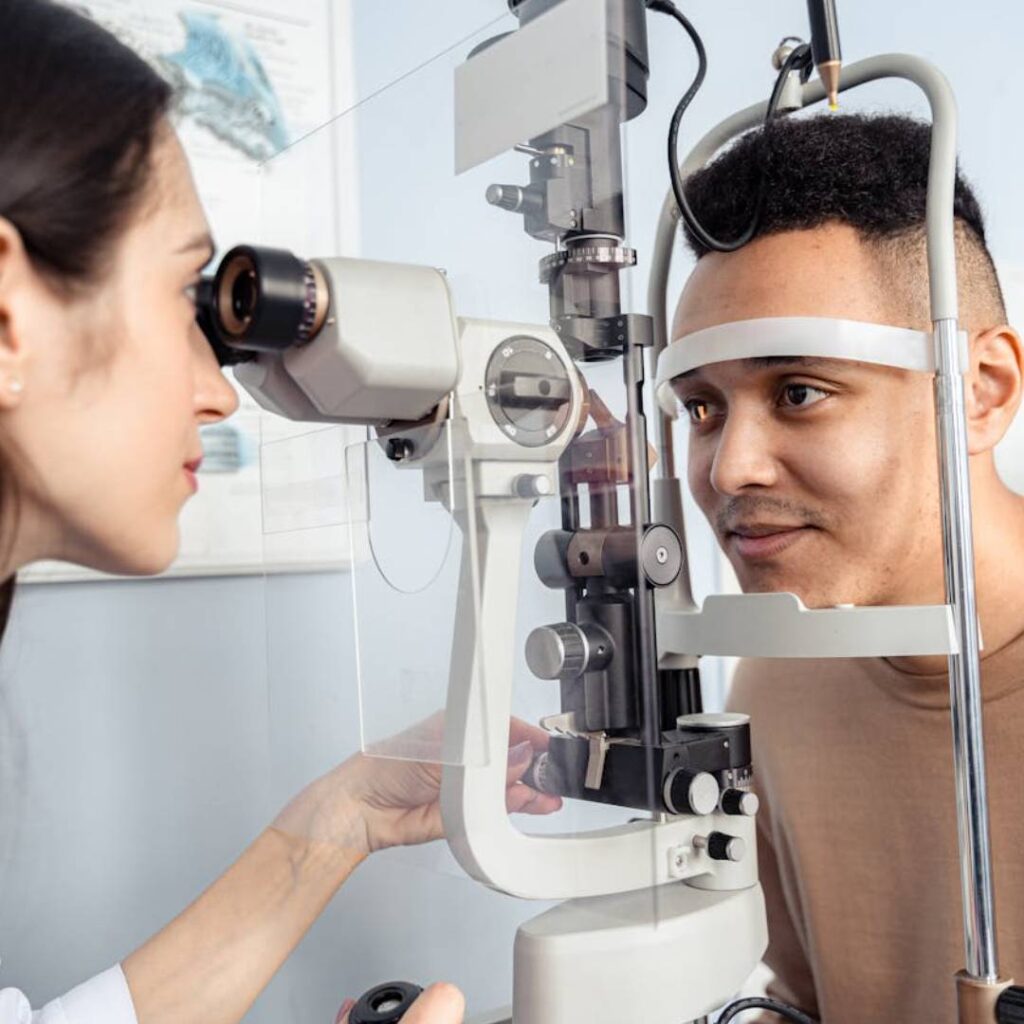
A proper dry eye evaluation goes much further. It uses specialized diagnostic equipment to image the structure of your Meibomian glands, measure the stability and concentration of your tear film, visualize damage to the ocular surface, and inspect the eyelid margins and lash base for inflammation or infestation. This is the level of detail required to actually treat dry eye effectively.
What Causes Dry Eye?
Dry eye disease has many possible drivers, and most patients have more than one contributing factor. Common causes include:
- Meibomian Gland Dysfunction — the leading cause, responsible for approximately 80% of chronic dry eye cases. The oil-producing glands in your eyelids become blocked or dysfunctional, causing tears to evaporate too quickly.
- Demodex blepharitis — chronic eyelid inflammation driven by mites at the lash base.
- Ocular rosacea — inflammatory eye disease associated with facial rosacea.
- Aqueous deficiency — reduced production of the watery component of tears, often related to Sjögren syndrome or other autoimmune conditions.
- Medication side effects — antihistamines, antidepressants, certain blood pressure medications, isotretinoin, and others.
- Hormonal changes — menopause, pregnancy, and hormonal contraceptives all affect tear production.
- Environmental factors — extended screen time, dry climates, forced-air heating, and air conditioning.
- Contact lens wear — long-term contact use measurably changes gland structure.
- Previous eye surgery — LASIK, PRK, and cataract surgery can disrupt the corneal nerves involved in tear regulation.
What Your Evaluation Includes
A comprehensive dry eye evaluation at our practice takes 60–90 minutes and includes several diagnostic components:
Detailed Symptom and History Review
Dr. Kresch reviews your complete symptom history — when symptoms started, what makes them better or worse, what treatments you have tried, your current medications, your work environment, and your overall health. This conversation is critical: dry eye is rarely caused by one thing, and identifying contributing factors is part of the diagnostic process.
Meibography
Infrared imaging of every Meibomian gland in both upper and lower eyelids. This shows the structure of each gland — its length, density, and whether any glands have shortened, atrophied, or disappeared entirely. You will see your own meibography images during the visit and understand exactly what they show.
Tear Film Breakup Time
Measures how quickly your tear film destabilizes between blinks. A healthy tear film holds for 10 seconds or more; severe dry eye can show breakup in under 3 seconds.
Tear Osmolarity Testing
Measures the concentration of dissolved particles in your tears. Higher osmolarity correlates with more severe disease and helps quantify what you are dealing with.
Ocular Surface Staining
Uses fluorescein and lissamine green dyes to visualize damage to the cornea and conjunctiva. Cells that have been damaged or are missing show up clearly under specific lighting.
Meibomian Gland Expression
A clinical evaluation of how readily each Meibomian gland releases oil under controlled pressure, and what the quality of that oil looks like. Glands that are blocked release thick, waxy oil — or no oil at all.
Lid Margin and Lash Examination
Visual inspection of the eyelid margins and base of the eyelashes for signs of Demodex blepharitis, anterior blepharitis, and lid wiper epitheliopathy.
What Happens After the Evaluation
You leave the evaluation with three things: a clear diagnosis of what is actually causing your symptoms, a written treatment plan tailored to your specific case, and an understanding of what each step of treatment will involve. The plan may include any combination of:
- In-office treatments like IPL, RF therapy, LLLT, or manual gland expression
- Prescription eye drops (anti-inflammatory, immunomodulator, or other)
- Omega-3 supplementation and dietary adjustments
- At-home lid hygiene routines and warm compress protocols
- Environmental modifications (humidification, screen breaks, etc.)
- Scleral lens fitting for severe ocular surface disease
- Coordination with other specialists if systemic conditions are involved
Who Should Get a Comprehensive Evaluation
A full dry eye evaluation is appropriate for anyone who:
- Has chronic dry eye symptoms that are not improving with over-the-counter drops
- Has been diagnosed with dry eye but never had Meibomian glands imaged
- Cannot tolerate contact lenses anymore
- Has had LASIK or cataract surgery and developed dry eye afterward
- Has rosacea, Sjögren, lupus, rheumatoid arthritis, or other autoimmune conditions affecting the eyes
- Experiences fluctuating vision that gets worse with screen time
- Has been told by a previous provider that nothing more can be done
Related Resources
Once your diagnostic evaluation is complete, treatment usually involves a coordinated protocol of multiple modalities. See our Combined Dry Eye Treatment Protocol page for an overview. If your evaluation identifies Evaporative Dry Eye (the most common form), that page explains the underlying mechanism in detail.
Frequently Asked Questions About Dry Eye Evaluation
How long does the evaluation take?
A comprehensive evaluation takes 60–90 minutes. Plan to be at the clinic for the full appointment.
Will I need a referral?
No referral is required. You can schedule directly with us.
Is the evaluation covered by insurance?
The diagnostic portion is typically billed as a medical visit (not a vision exam) and may be covered by your medical insurance. We verify your coverage before your appointment.
Will I receive treatment at the same visit?
The first visit is focused on diagnosis. Most treatments are scheduled for follow-up visits so we can plan your protocol thoroughly. Simple interventions like prescription drops or detailed at-home recommendations may be provided during the initial evaluation.
Should I stop using my eye drops before the evaluation?
Generally, yes — we ask patients to avoid artificial tears for at least 2 hours before the evaluation so we can see the natural state of your tear film. Continue any prescription eye drops as directed by your physician.
What if I have already had a dry eye exam elsewhere?
Bring those records if you can. A second comprehensive evaluation often reveals factors that previous exams missed, particularly if you were never imaged with meibography.
Will I be able to see my own meibography images?
Yes. Dr. Kresch reviews your images with you during the visit so you understand exactly what is happening with your glands.
How quickly can I be scheduled?
Availability varies. Call 1-800-DRY-EYES to schedule — we will find you the earliest available slot.
References
- Wolffsohn JS, Arita R, Chalmers R, et al. TFOS DEWS II Diagnostic Methodology Report. Ocul Surf. 2017;15(3):539-574. doi:10.1016/j.jtos.2017.05.001
- Craig JP, Nichols KK, Akpek EK, et al. TFOS DEWS II Definition and Classification Report. Ocul Surf. 2017;15(3):276-283. doi:10.1016/j.jtos.2017.05.008
- Bron AJ, de Paiva CS, Chauhan SK, et al. TFOS DEWS II Pathophysiology Report. Ocul Surf. 2017;15(3):438-510. doi:10.1016/j.jtos.2017.05.011
- Stapleton F, Alves M, Bunya VY, et al. TFOS DEWS II Epidemiology Report. Ocul Surf. 2017;15(3):334-365. doi:10.1016/j.jtos.2017.05.003
- Knop E, Knop N, Millar T, Obata H, Sullivan DA. The International Workshop on Meibomian Gland Dysfunction: Report of the Subcommittee on Anatomy, Physiology, and Pathophysiology of the Meibomian Gland. Invest Ophthalmol Vis Sci. 2011;52(4):1938-1978. doi:10.1167/iovs.10-6997c
This page reflects current evidence-based practice as of May 2026. Diagnostic findings are interpreted individually — please consult Dr. Y. Shira Kresch for a comprehensive evaluation before pursuing any specific therapy.