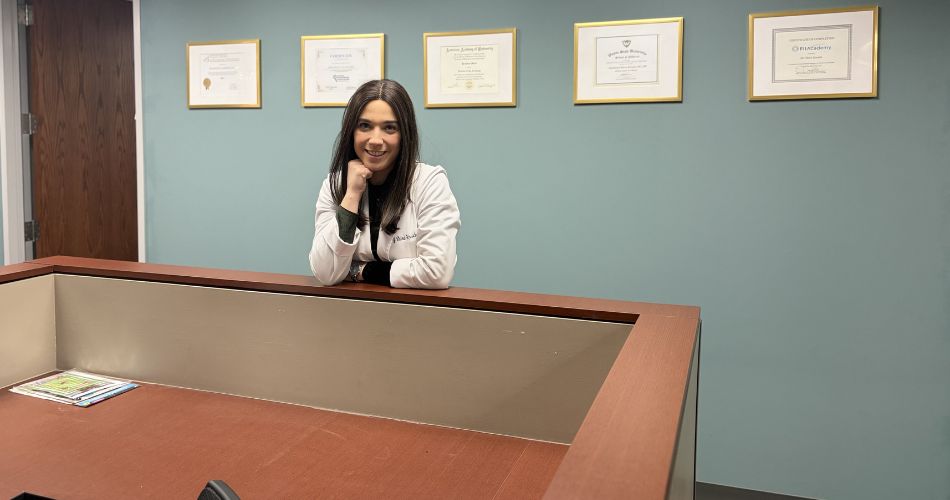
 Medically reviewed by Dr. Y. Shira Kresch, OD MSLast reviewed: May 26, 2026
Not sure which treatment is right for you?
Take our 8-question self-assessment to see which dry eye patterns most closely match your symptoms. Free, takes 3 minutes, no email required.
Dry Eyes Treatments at The 1-800-DRY-EYES Vision Institute
At the 1-800-Dry-Eyes Specialty Vision Institute, we take a fundamentally different approach to treating dry eye disease. Instead of handing you another bottle of artificial tears and hoping for the best, we use advanced diagnostic imaging to identify exactly what’s causing your symptoms — then treat it directly with FDA-cleared, in-office technology. Under the care of Dr. Shira Kresch, our Southfield, MI clinic offers three powerful treatment modalities — Intense Pulsed Light (IPL), Radiofrequency (RF), and Low-Level Light Therapy (LLLT) — that can be used individually or combined into a single multi-modal treatment protocol for maximum results. The right treatment depends on the underlying cause — explore the full range of dry eye symptoms to understand what your specific symptoms may indicate. Whether your dry eye is caused by Meibomian Gland Dysfunction, Demodex blepharitis, ocular rosacea, or another underlying condition, every treatment plan is personally customized based on your diagnostic results — because no two cases of dry eye are the same. For patients with severe or treatment-resistant dry eye, we also offer specialty scleral lens fittings that keep the corneal surface hydrated throughout the day, giving you an additional layer of protection that no eye drop can match.
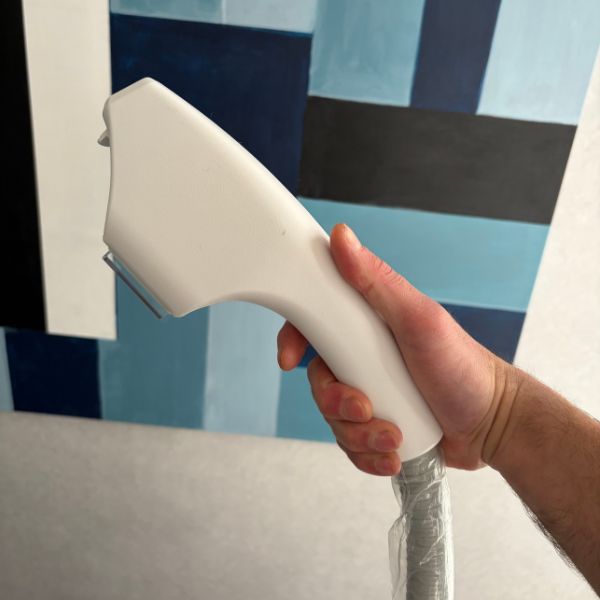
Intense Pulsed Light (IPL)
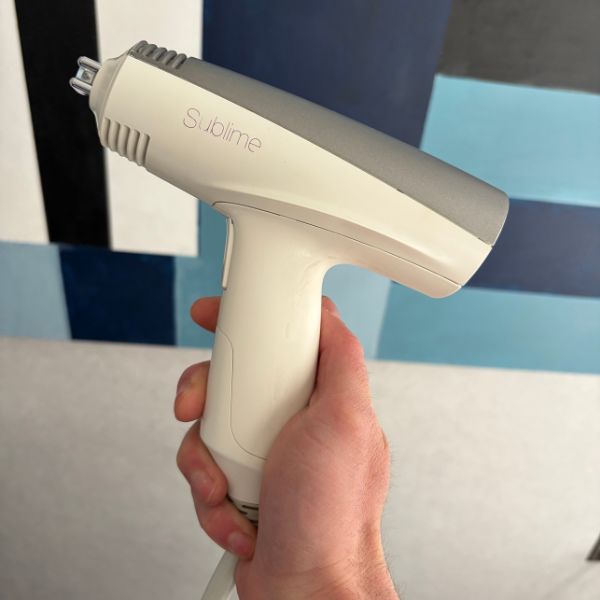
Targets the inflammation and abnormal blood vessels that drive evaporative dry eye, while addressing Demodex mites at the lash base. Best for: rosacea-driven dry eye, Meibomian Gland Dysfunction, Demodex blepharitis. Series of 4 sessions, ~3 weeks apart, no downtime.
Radiofrequency (RF)
Temperature-controlled energy heats the eyelid tissue to liquefy hardened oil obstructions inside the Meibomian glands — what a warm compress at home cannot reach. Best for: moderate-to-severe Meibomian Gland Dysfunction, lipid-deficient tear film, hardened meibum. 3–4 sessions, 2–4 weeks apart.

Low-Level Light Therapy (LLLT)
Red and near-infrared photobiomodulation stimulates the Meibomian glands at a cellular level — increasing mitochondrial activity, calming inflammation, and supporting gland recovery. Best for: inflammatory dry eye, post-treatment recovery, patients seeking a gentle complement to IPL or RF. 4–6 sessions over several weeks.
Combined Triple-Modality Protocol
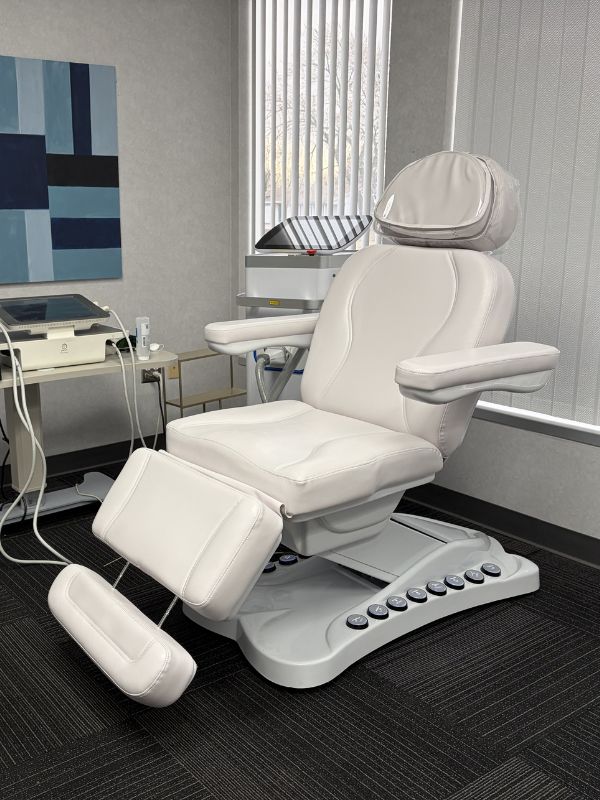
For moderate-to-severe dry eye, the strongest outcomes come from combining IPL, RF, and LLLT into a single coordinated treatment plan — each modality addressing a different layer of the disease. Best for: patients who have tried single-modality treatments without lasting relief, or whose evaluation reveals multiple contributing factors. Customized to each case.
Scleral Lenses for Severe Dry Eye
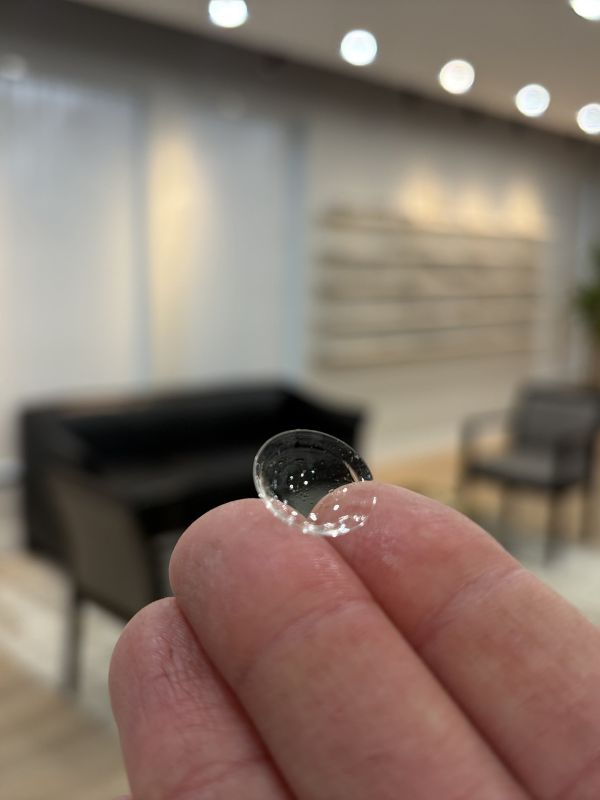
Custom-fit specialty contact lenses that vault over the cornea, holding a reservoir of saline that protects and hydrates the ocular surface all day. Best for: severe ocular surface disease, post-LASIK dry eye, treatment-resistant cases, advanced MGD with corneal damage. A non-drug alternative for the toughest cases.
Comprehensive Dry Eye Evaluation
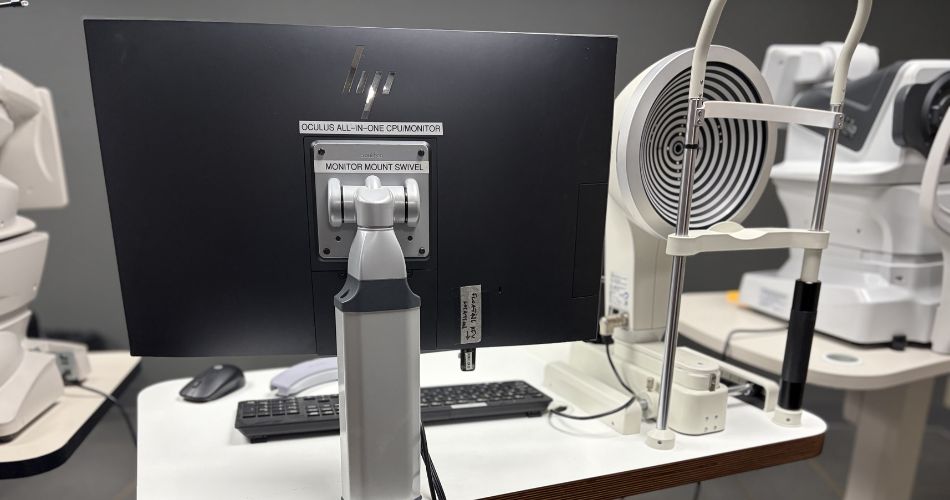
The diagnostic process that makes effective treatment possible — Meibography, tear breakup time, osmolarity, lid margin exam, and a detailed symptom history reviewed with you in real time. Best for: everyone. No referral required. 60–90 minutes. Often covered by medical (not vision) insurance.
Not sure which treatment is right for you?
Tap whichever describes you. We will point you to the most likely starting place — but the real answer comes from your comprehensive evaluation.
I have rosacea, flushing, or red eyelid margins
Most likely starting point: Intense Pulsed Light (IPL). IPL specifically targets the inflammatory blood vessels and skin changes that drive rosacea-related dry eye, and is also the most effective in-office treatment for Demodex mites at the lash base. We would typically pair IPL with a comprehensive evaluation first to confirm Meibomian Gland Dysfunction is also present (it usually is).
I have tried warm compresses and lid scrubs at home with no real improvement
Most likely starting point: Radiofrequency (RF). Warm compresses at home cannot reach the therapeutic temperature needed to liquefy hardened Meibomian gland oil — RF can. After 3–4 RF sessions with in-office gland expression, most patients get the relief that home care alone cannot deliver. Many also benefit from adding LLLT or IPL depending on what the evaluation shows.
My dry eye started after LASIK, PRK, or cataract surgery
Most likely starting point: a thorough comprehensive evaluation. Post-surgical dry eye involves disrupted corneal nerves on top of any pre-existing gland issues, which means the treatment plan depends on what we find. Some post-LASIK patients respond beautifully to LLLT; others need scleral lenses to protect the corneal surface while it heals. We will know after Meibography and a tear-film workup.
My eyes feel worse after long screen sessions or in dry rooms
Most likely starting point: comprehensive evaluation, then likely RF or the combined protocol. Screen-driven and environment-driven dry eye is almost always evaporative — your tear film breaks down too fast between blinks. That is a Meibomian Gland Dysfunction signature, and the in-office heat-based treatments are designed exactly for this.
I have Sjögren syndrome, lupus, or another autoimmune condition
Most likely starting point: comprehensive evaluation, then likely a combination of LLLT, prescription anti-inflammatory drops, and possibly scleral lenses for severe cases. Autoimmune dry eye often involves both aqueous deficiency (your lacrimal gland is making fewer tears) AND evaporative loss (your Meibomian glands are also affected). The treatment plan needs to address both.
I have tried every drop and treatment my regular eye doctor offered and nothing has worked
Most likely starting point: comprehensive evaluation with Meibography. We see treatment-resistant cases routinely, and the most common reason previous treatment did not work is that the actual underlying mechanism was never identified. Once we image your Meibomian glands and measure tear film stability properly, the next step usually becomes clear — and it is often the combined IPL + RF + LLLT protocol that single-modality treatment elsewhere did not include.
I cannot wear contact lenses anymore because my eyes feel too dry
Most likely starting point: comprehensive evaluation, then most likely treating the underlying Meibomian Gland Dysfunction with RF and/or IPL. If contact lens dropout is severe and the corneal surface is compromised, scleral lenses can also be a longer-term solution that lets you wear lenses comfortably while protecting the ocular surface.
IPL vs RF vs LLLT — at a glance
| IPL | RF | LLLT | |
|---|---|---|---|
| What it is | Intense Pulsed Light — broad-spectrum light pulses applied to skin around the eyes | Radiofrequency — temperature-controlled electromagnetic energy applied to the eyelids and surrounding skin | Low-Level Light Therapy — red and near-infrared photobiomodulation |
| Primary mechanism | Reduces inflammation, closes abnormal blood vessels, kills surface Demodex | Heats and liquefies hardened Meibomian gland oil, followed by in-office gland expression | Stimulates mitochondrial activity inside gland cells, calms inflammation |
| Best for | Rosacea-driven dry eye, Demodex blepharitis, evaporative MGD | Moderate-to-severe MGD, hardened meibum, treatment-resistant gland blockage | Inflammatory dry eye, post-treatment recovery, gentle adjunct for combination protocols |
| Typical course | 4 sessions ~3 weeks apart | 3–4 sessions, 2–4 weeks apart | 4–6 sessions over several weeks |
| Session length | ~30 minutes | 20–30 minutes | ~15 minutes |
| Sensation | Brief warm flashes; mildly uncomfortable but well tolerated | Warm, soothing — most patients find it relaxing | Gentle warmth; the most comfortable of the three |
| Downtime | None — mild redness possible | None — mild pinkness possible | None |
| Insurance | Considered elective; generally not covered. Pricing discussed before treatment. | Considered elective; generally not covered. Pricing discussed before treatment. | Considered elective; generally not covered. Pricing discussed before treatment. |
| Often combined with | RF and/or LLLT in the combined protocol | IPL and/or LLLT in the combined protocol | IPL and/or RF in the combined protocol |
The strongest results in moderate-to-severe cases come from the combined protocol — using two or three modalities together so each addresses a different layer of the disease.
Frequently Asked Questions
How do I know which treatment I need?
You will not know with certainty until you have a comprehensive dry eye evaluation. The evaluation uses Meibography, tear breakup time, osmolarity testing, and a detailed lid-margin exam to identify what is actually driving your symptoms. Once we know that, the treatment plan picks itself — and it is often a combination of two or three modalities rather than just one.
Do I need to do all three treatments?
No — not every patient does. Some respond beautifully to a single modality. But for moderate-to-severe Meibomian Gland Dysfunction, the strongest outcomes consistently come from the combined IPL + RF + LLLT protocol because each treatment addresses a different layer of the disease. The evaluation determines whether you are a single-modality case or a combination case.
Can I have multiple treatments the same day?
Yes, in many cases. IPL, RF, and LLLT can be safely combined in a single visit when clinically appropriate, which is exactly how the combined protocol is structured. Dr. Kresch will recommend the sequencing that fits your case during your treatment planning visit.
Does insurance cover any of these treatments?
The in-office treatments (IPL, RF, LLLT) are generally considered elective and are not typically covered by insurance. The diagnostic evaluation, however, is usually billed as a medical visit (not a vision exam) and may be covered by your medical insurance. We verify your coverage and discuss pricing transparently before any treatment begins, and provide receipts you can submit to your insurer for possible reimbursement. More on insurance and financing.
How quickly will I feel better?
Most patients notice meaningful improvement within the first few sessions of any of the in-office treatments. Cumulative benefit builds over the full series, and effects continue developing for weeks afterward as the glands recover function. Severe or longstanding MGD may need a longer course before full results appear.
Are any of these treatments painful?
None of them are painful in the medical sense. IPL feels like brief warm flashes — mildly uncomfortable but well tolerated. RF feels like a warm, relaxing massage. LLLT is the gentlest of the three and feels like a soft warmth. No anesthesia is required and there is no recovery downtime for any of the three.
How long do results last?
Most patients maintain meaningful symptom relief for 6–12 months after their initial treatment series. Because Meibomian Gland Dysfunction is a chronic, progressive condition, maintenance sessions every 6–12 months are the norm — they preserve the improvement and prevent the disease from advancing. The combination of in-office treatment plus at-home maintenance is what produces lasting results.