
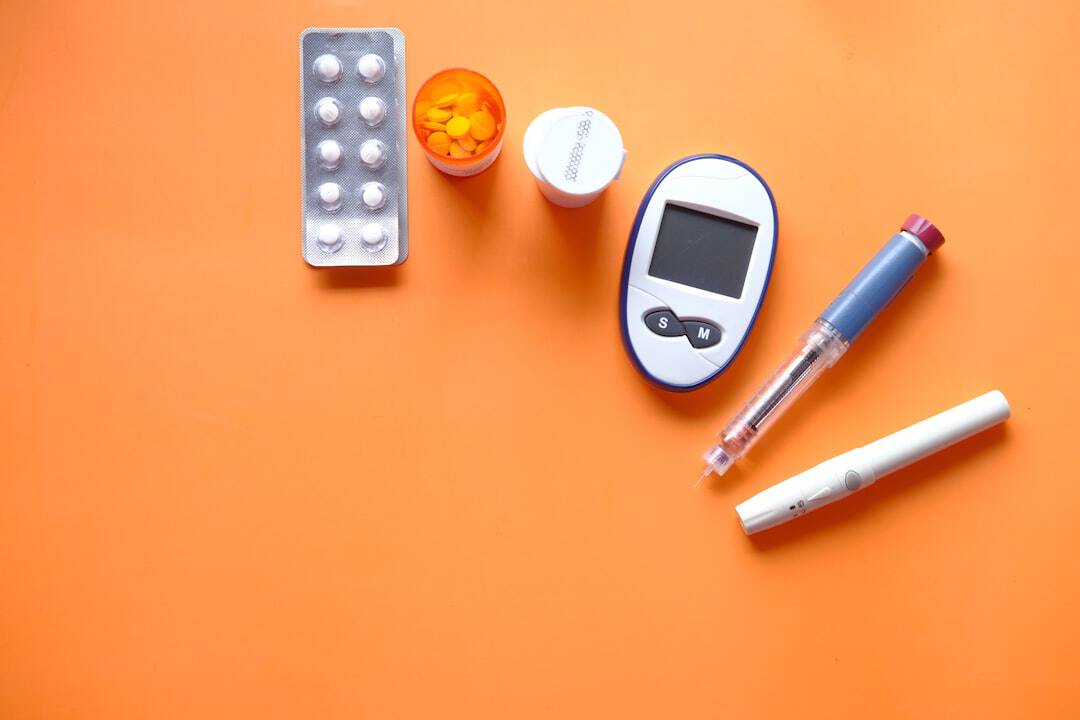
If you have diabetes and your eyes are chronically dry, gritty, or visually unstable, those symptoms are very likely connected to your diabetes — even if no one has ever explained the connection to you. Diabetes affects every aspect of healthy tear film function, and proper management of diabetic dry eye is fundamentally different from treating ordinary dry eye.
Why Diabetes Causes Dry Eye
Diabetes causes dry eye through multiple parallel mechanisms, which is why the disease can be particularly persistent and difficult to treat with standard approaches:
Corneal Nerve Damage (Diabetic Neuropathy)
The same nerve damage that causes diabetic neuropathy in the hands and feet also affects the corneal nerves. According to research summarized by the American Academy of Ophthalmology, corneal nerve density is significantly reduced in patients with diabetes, particularly those with longer disease duration or poorly controlled blood sugar. Reduced corneal sensation means the eye does not signal the lacrimal glands to produce tears when needed — the protective reflex is impaired.
Lacrimal Gland Dysfunction
Diabetes causes microvascular changes throughout the body, including in the tear-producing lacrimal glands. Reduced blood flow and tissue inflammation contribute to decreased tear production over time.
Meibomian Gland Dysfunction
Diabetic patients have higher rates of Meibomian Gland Dysfunction than non-diabetic patients. The oil-producing glands of the eyelids are affected by the same microvascular and inflammatory changes that affect other tissues in diabetes. This contributes to evaporative dry eye.
Increased Tear Glucose
People with diabetes have elevated glucose levels in their tears, which alters tear film stability and can promote ocular surface inflammation.
Reduced Healing Capacity
The ocular surface in diabetes heals more slowly when damaged, making minor irritations more likely to become chronic problems. This is part of why diabetic dry eye tends to be progressive without treatment.
Symptoms of Diabetic Dry Eye
- Burning, stinging, or gritty sensation in the eyes
- Fluctuating vision that worsens with blood sugar swings
- Eyes that feel worse after reading, screen time, or at the end of the day
- Increased reflex tearing (paradoxically watery eyes)
- Crusty debris on the eyelashes
- Contact lens intolerance
- Slow-healing minor eye irritations
- Light sensitivity
Patients with diabetes who also have diabetic retinopathy face additional eye health risks that overlap with dry eye management — making coordinated care with a retina specialist important when both conditions are present.
How We Diagnose Diabetic Dry Eye
A comprehensive dry eye evaluation for a diabetic patient includes the standard diagnostic workup plus several elements specific to diabetes:
- Corneal sensation testing — assesses neuropathic component
- Meibography — to evaluate MGD severity
- Tear film breakup time and osmolarity
- Ocular surface staining — to detect early signs of poor healing or persistent damage
- Schirmer test — to measure aqueous tear production
- HbA1c review — when available, to understand glycemic control context (we coordinate with your primary care or endocrinologist)
How We Treat Diabetic Dry Eye
Anti-Inflammatory Therapy
Prescription anti-inflammatory drops (cyclosporine, lifitegrast) are foundational for diabetic dry eye because they address the chronic ocular surface inflammation that diabetes promotes.
In-Office Treatments for Concurrent MGD
When diabetic dry eye includes a significant evaporative component, treatments like IPL, RF, and LLLT are often appropriate. The combined treatment protocol is particularly effective for moderate-to-severe diabetic dry eye.
Punctal Plugs
Punctal occlusion helps conserve the limited tears diabetic lacrimal glands produce.
Autologous Serum Tears
For severe cases with poor surface healing, serum tears can promote ocular surface recovery in ways commercial drops cannot.
Glycemic Control
Improved blood sugar management consistently correlates with improved dry eye symptoms over time. We coordinate with your endocrinologist or primary care provider when relevant — eye care and diabetes management work best together.
Why Early Treatment Matters
Diabetic dry eye is progressive. The neural damage to corneal sensation, the microvascular changes affecting tear glands, and the chronic ocular surface inflammation all worsen over time without intervention. Patients who address dry eye early — alongside good glycemic control — preserve gland function and surface health much better than those who wait until severe damage is established.
If you have diabetes and any persistent eye symptoms, do not assume artificial tears are enough. A proper evaluation can identify what is actually driving your symptoms and produce a treatment plan that addresses the underlying diabetic mechanisms.
Frequently Asked Questions
Will my dry eye improve if I get better blood sugar control?
Often yes, but partially. Improved glycemic control reduces the rate of further nerve and microvascular damage, and many patients see modest dry eye improvement. However, damage already present typically requires direct treatment to reverse symptoms meaningfully.
Is diabetic dry eye the same as diabetic retinopathy?
No. Diabetic retinopathy affects the retina (the back of the eye); diabetic dry eye affects the tear film and ocular surface (the front of the eye). Both can occur in the same patient and both require monitoring, but they are separate conditions with separate treatments.
Do I need to see a retinal specialist too?
If you have diabetes, you should have dilated eye exams to monitor for diabetic retinopathy, typically annually or as your retina specialist recommends. Our practice focuses on the ocular surface and dry eye, while a retina specialist focuses on the back of the eye. Many patients see both.
Will my insurance cover diabetic dry eye treatment?
The diagnostic evaluation is typically covered by medical insurance because of the underlying diabetes diagnosis. In-office treatments like IPL and RF are typically considered elective and not covered. We discuss cost transparently before treatment begins.
Can I wear contact lenses with diabetic dry eye?
Many patients can, but contact lens fit and material matter significantly. Some patients do better with scleral lenses which provide continuous corneal hydration. A proper evaluation determines what options are appropriate for your case.
How quickly will I notice treatment results?
Symptom improvement timelines vary by treatment. Prescription drops typically show benefit over weeks to months. In-office treatments like IPL often produce noticeable improvement after 1 to 2 sessions, with cumulative benefit through the treatment series.
I am pre-diabetic. Should I be concerned about dry eye?
Insulin resistance and pre-diabetes are associated with mild ocular surface changes in some studies. Lifestyle management of pre-diabetes (diet, exercise, weight management) supports general ocular surface health alongside many other benefits.